What sensitive teeth feel like
Tooth sensitivity (also called dentine hypersensitivity) causes a sharp, short pain set off by a specific trigger: a cold drink, hot food, something sweet or acidic, cold air breathed in through the mouth, or simply the toothbrush passing over the tooth. The pain usually stops as soon as the trigger is removed.
To understand why, it helps to know how a tooth is built. Beneath the enamel that protects the crown, and beneath the gum that covers the root, lies the dentine. This tissue is crossed by tiny fluid-filled channels that lead to the pulp, where the nerve sits. When dentine is exposed, changes in temperature or pressure move this fluid and stimulate the nerve endings.
Sensitivity often affects several teeth, especially at the neck of the tooth, where it meets the gum. It may come and go, or last for months.
Why dentine becomes exposed
Several mechanisms, often combined, can leave dentine uncovered:
- Receding gums: the root, which has no enamel, becomes exposed. Recession can be encouraged by long-standing gum inflammation, tartar build-up or aggressive brushing.
- Brushing too hard: a hard brush used with vigorous side-to-side strokes gradually wears away the gum and the neck of the tooth.
- Acid erosion: fizzy drinks (diet versions included), citrus juices, energy drinks, vinegar or frequent acid reflux soften the enamel, which thins over time.
- Grinding or clenching (bruxism), often at night, which wears enamel and weakens the necks of the teeth.
- Tooth whitening: temporary sensitivity is a known effect during or after treatment. It usually settles within a few days.
- Recent dental work: after a scale and polish, a new filling or tooth preparation, short-lived sensitivity is possible.
Finding the cause matters, because that is what needs treating if the discomfort is not to return.
Everyday steps that bring relief
In many cases, simple measures noticeably reduce the discomfort:
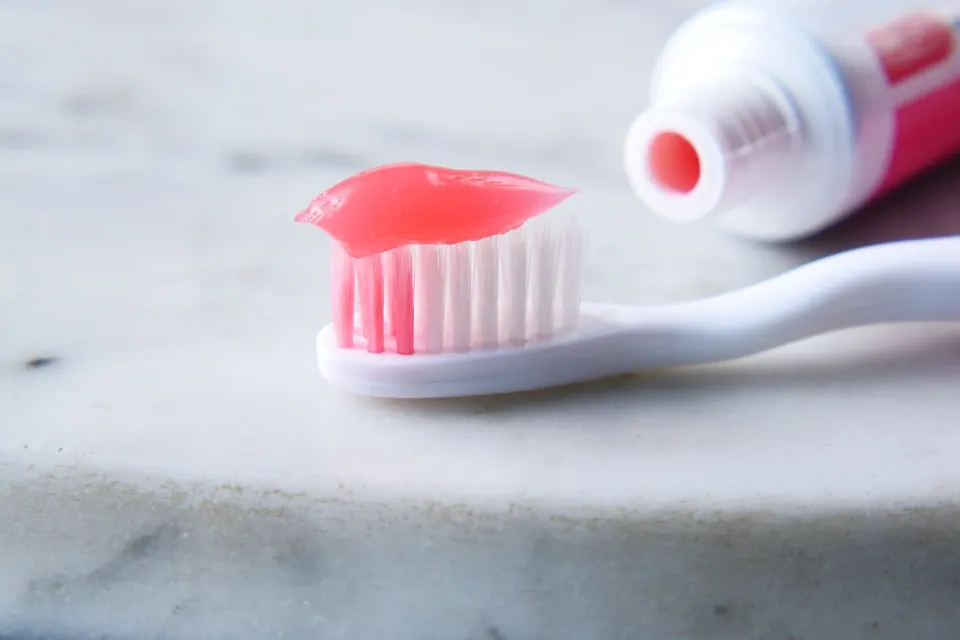
- Use a toothpaste for sensitive teeth, morning and evening. These toothpastes work by blocking the channels in the dentine or by calming nerve transmission. The effect builds up gradually: use it regularly, often for several weeks, before judging the result. At night you can spit without rinsing heavily, leaving a thin protective film on the teeth.
- Choose a soft-bristled brush and brush gently, from gum to tooth, without scrubbing sideways. An electric brush with a pressure sensor can help people who press too hard.
- Cut down on acidic food and drinks, ideally having them with meals rather than throughout the day.
- Wait before brushing after something acidic, because the enamel is temporarily softened. Rinse with water and wait at least half an hour.
- Avoid extreme temperatures while the sensitivity settles.
If the discomfort continues despite these steps, or gets worse, see a dentist.
When it is not just sensitivity
Tooth decay, a cracked tooth or a leaking filling can cause pain very similar to dentine sensitivity. In that case, a sensitive-teeth toothpaste may mask a problem that keeps progressing. Watch out for these signs:
- the pain is in one single tooth, always the same one;
- it lingers for many seconds, or even minutes, after cold or heat;
- it comes on by itself, without a trigger, or wakes you at night;
- it happens mainly when biting, briefly and sharply, which can suggest a crack;
- you can see a dark spot, a hole or a chip on the tooth.
In these situations, an examination can look for decay and, if needed, offer cavity treatment before the nerve is affected. If the pain becomes severe, our article on toothache explains what to do while you wait for your appointment.
What the dentist can offer
At the appointment, the dentist first rules out other causes of pain: examination of the teeth and gums, simple tests with cold or air, and an X-ray if needed. They also look for the reason the dentine is exposed (brushing, erosion, grinding, gum disease).
Depending on the situation, several options may be considered:
- a fluoride varnish or desensitising product applied in the chair, which strengthens or seals the dentine surface;
- covering worn tooth necks with a bonded material when the loss of tooth structure is marked;
- treating gum inflammation, with a professional clean and, if needed, more in-depth gum treatment;
- a night guard if you grind your teeth;
- in some cases of significant recession, gum surgery may be discussed to cover the root.
The dentist will also show you the brushing technique that suits your mouth. Treating the cause matters as much as easing the symptoms.
Keeping sensitivity from coming back
Sensitivity tends to return if the factors behind it remain. A few lasting habits help protect enamel and gums:
- gentle brushing twice a day with a fluoride toothpaste, and cleaning between the teeth;
- keeping acidic drinks moderate, ideally with meals;
- seeing your doctor if you have frequent reflux or heartburn;
- regular dental check-ups, which pick up gum recession, wear or early decay at an early stage.
If you are considering whitening, mention any existing sensitivity so the approach can be adapted. In Rabat, German Dental Clinic is located in Agdal, on the corner of avenue de France and avenue Ibn Sina, and can assess your sensitive teeth. You can book an appointment online.
Sources
Frequently asked questions
Are sensitive teeth serious?
Sensitivity itself is not dangerous, but it signals exposed dentine whose cause should be found: wear, erosion or receding gums. It can also mimic decay or a crack. An examination tells them apart and makes sure a progressing problem is not missed.
How long does a sensitive-teeth toothpaste take to work?
The effect is gradual. Use it twice a day, consistently, often for several weeks before judging the result. If the discomfort does not ease, or is concentrated on one tooth, see your dentist rather than switching from one toothpaste to another.
Does whitening make teeth sensitive?
Temporary sensitivity is common during or just after whitening and usually settles within a few days. A check-up beforehand allows decay and exposed tooth necks to be treated first, and the approach to be adapted if your teeth are already sensitive.
The information on this page is general. Only a consultation allows a diagnosis and a suitable treatment plan.