Why bone disappears after losing a tooth
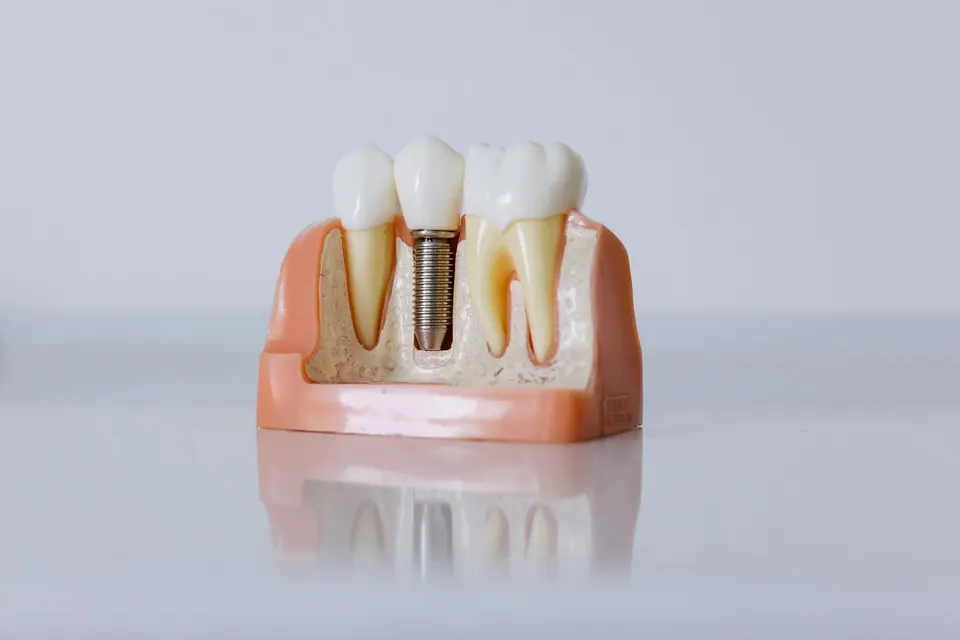
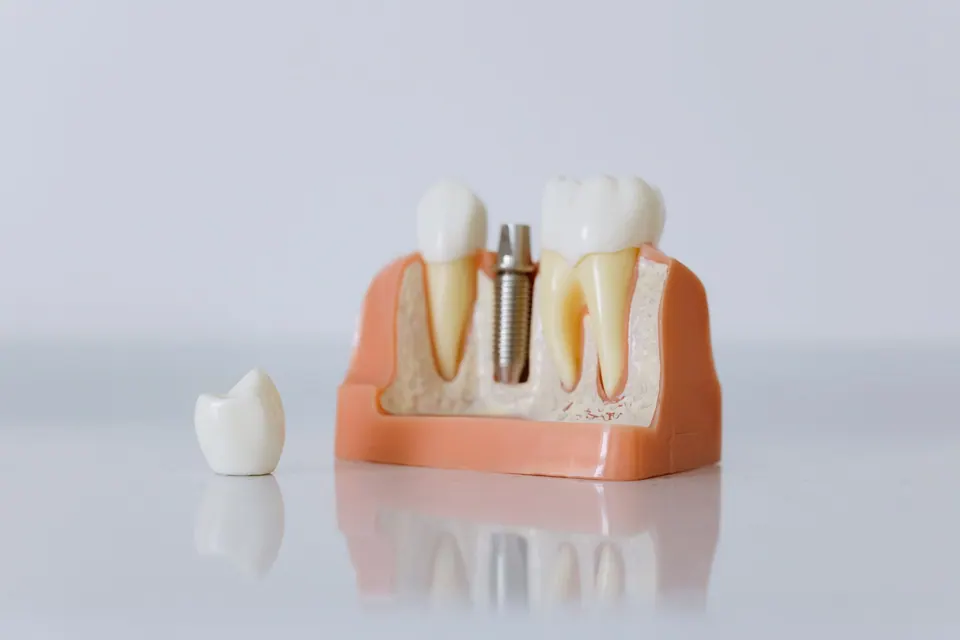
The bone around the roots only exists because there are teeth. Every time you chew, the forces transmitted through the root stimulate and maintain it. When the tooth is gone, this stimulation stops and the bone starts to shrink, first in width, then in height. The process is often most marked in the first months after the extraction.
Other factors speed up this loss: a chronic infection at the tip of a root, long-standing gum disease, a traumatic extraction, or long-term wear of a denture pressing on the ridge. In the upper jaw, in the molar area, the maxillary sinus also tends to drop and reduce the available bone height.
The result: years after losing a tooth, the area may look normal to the naked eye while the bone under the gum has become too thin for an implant.
When is a bone graft needed?
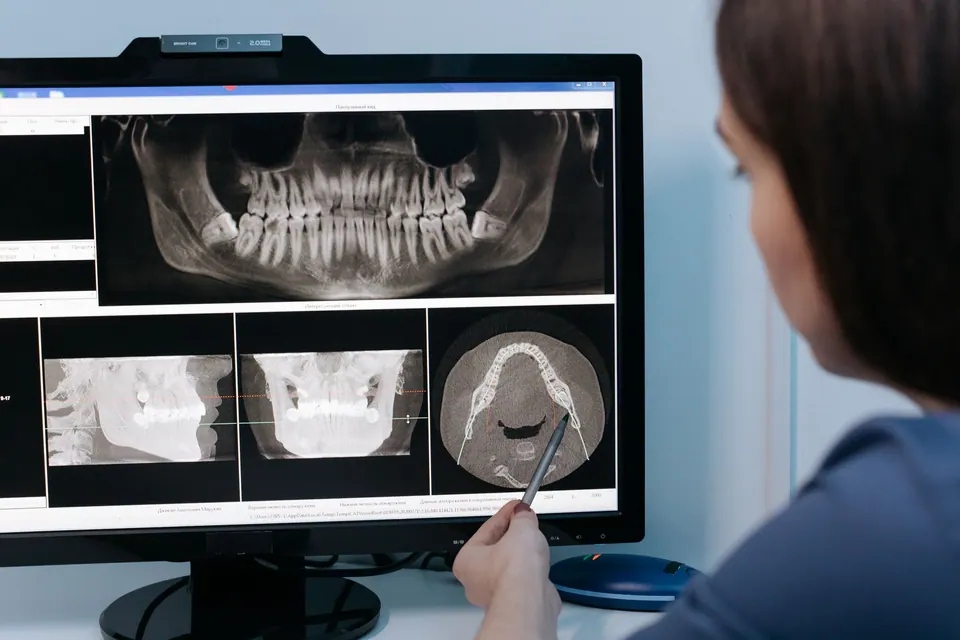
A graft is not routine. Many patients have enough bone to receive a dental implant directly. Reconstruction is considered when three-dimensional imaging shows:
- a ridge too narrow to hold an implant surrounded by a sufficient thickness of bone;
- insufficient height above the nerve in the lower jaw or below the sinus;
- a localised defect, for example after an infection or a root fracture;
- bone loss that would compromise the appearance of the gum in a visible part of the smile.
There are sometimes alternatives: a shorter implant, a different position, or a prosthesis that does not require an implant at that site. At the consultation in Rabat, Dr Fenjero Walid explains why a graft is being proposed, what it offers and what would happen without it, so that you can make an informed decision.
The main bone reconstruction techniques
The term bone graft covers several procedures, chosen according to the size and shape of the defect.
Socket preservation. At the time of an extraction, the empty socket is filled with a bone substitute material and protected. The aim is to limit bone shrinkage during healing, to make placing an implant easier later on.
Guided bone regeneration. A biomaterial, sometimes mixed with chips of the patient's own bone, is placed against the ridge and then covered with a membrane that guides the formation of new bone. It suits small to medium defects and can often be carried out at the same time as implant placement.
Block or shell bone grafting. For larger losses, bone is taken, most often from another area of the mouth, and fixed against the ridge. Several months of healing are needed before the implant is placed.
Sinus lift. In the upper jaw, in the premolar and molar area, the sinus membrane is gently lifted so that bone material can be placed beneath it. Depending on the remaining height, access is through the implant site or through a small window at the side.
Where does the bone come from?
Several types of material can be used, alone or in combination:
- autogenous bone, taken from the patient, which contains living cells and integrates well, but requires a second surgical site;
- substitutes of animal origin, most often bovine, purified and processed to keep only the mineral structure that serves as a scaffold for new bone;
- synthetic substitutes, based on calcium phosphates;
- human bank bone, from donors and processed according to strict protocols.
The choice depends on the volume to be rebuilt, the area, your medical history and sometimes your personal preferences or beliefs. If you would rather avoid a material of animal origin, just let us know: other options can be discussed.
The procedure and healing
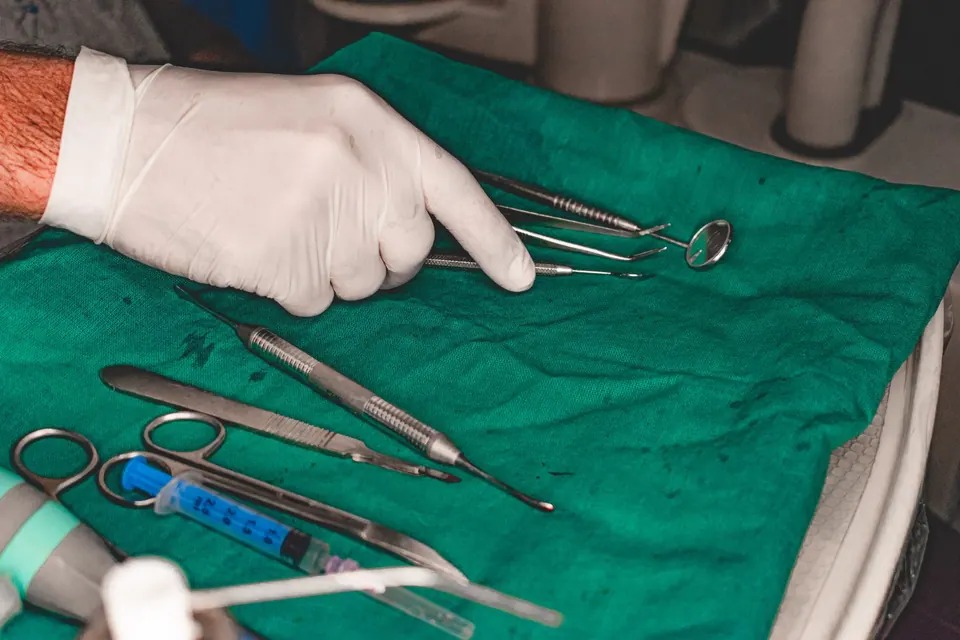
The graft is performed at the practice under local anaesthesia. The dentist opens the gum to reach the bone, places the chosen material, stabilises it with a membrane and sometimes small screws, then closes the gum with stitches that are either removed or dissolve. The length of the procedure varies widely with its extent.
In the first few days, swelling is common and more marked than after a simple extraction, sometimes with bruising on the cheek. Medication for pain and inflammation is prescribed, possibly with antibiotics depending on the case. After a sinus lift, avoid blowing your nose hard, diving and flying for the period indicated.
The grafted bone then needs time to turn into living bone capable of holding an implant. This takes months and depends on the technique, the volume rebuilt and how each person heals. An X-ray check comes before the implant is placed.
Risks, precautions and what helps a graft succeed
Like any surgery, a bone graft carries risks, which are reduced by good planning and good cooperation from the patient: infection, the gum opening over the graft, partial resorption of the material or, for a sinus lift, perforation of the sinus membrane, which is usually managed during the procedure.
Smoking is the graft's main enemy, as it reduces the blood supply to the tissues. Stopping, at least around the time of the procedure, is strongly advised. Well-controlled diabetes, thorough hygiene and the absence of gum inflammation also matter: if needed, gum treatment is carried out beforehand. Finally, it is important not to rest a removable denture on the grafted area without the dentist's approval.
Cost of a bone graft: a quotation after examination
The cost of bone reconstruction varies with the technique, the amount and type of material, the use of a membrane, whether bone has to be harvested and the number of sites to be treated. Socket preservation is not comparable to a sinus lift on both sides. That is why no price is given online: the quotation is given to you after the clinical examination and imaging, itemised, and includes the next stages of implant treatment. To review your situation, you can book an appointment at the clinic in Agdal, Rabat.
How it works
- Assessment and 3D imagingClinical examination and three-dimensional imaging to measure the available bone volume precisely.
- Choice of techniqueSocket preservation, guided regeneration, block graft or sinus lift, depending on the defect to be corrected.
- ProcedurePlacement of the material under local anaesthesia, stabilised with a membrane and stitches.
- HealingPost-operative check, removal of stitches if needed, then maturation of the bone over several months.
- Implant placementX-ray check of the rebuilt bone, then implant placement once the volume is sufficient.
Frequently asked questions
Is a dental bone graft painful?
The procedure itself is carried out under local anaesthesia and should not be painful. Recovery is usually more noticeable than after a simple extraction: swelling, tenderness and sometimes a bruise on the cheek for a few days. Suitable medication is prescribed for this period. Pain that gets worse, fever or discharge should lead you to contact us without delay.
Can the implant be placed on the same day as the graft?
Yes, when the existing bone can stabilise the implant and the defect to be filled is moderate, bone regeneration is often done at the same time as placement. For significant losses, it is safer to graft first, wait for the bone to mature, then place the implant at a second stage. 3D imaging guides this choice.
What is a sinus lift and when is it needed?
A sinus lift involves raising the membrane lining the floor of the maxillary sinus to place bone beneath it. It is suggested when there is not enough bone height to place an implant in the upper premolar or molar area, which is common after a tooth has been missing for a long time. The procedure is done through the mouth, under local anaesthesia.
Is the graft material of animal origin?
It can be, but not necessarily. Bovine-derived substitutes are widely used, alongside the patient's own bone, synthetic materials and bank bone. If you have a preference or a personal constraint, mention it at the consultation: the choice of material will take it into account as far as possible.
Can a bone graft fail?
Yes, part of the material may resorb or the graft may become infected, especially with smoking, poorly controlled diabetes or poor hygiene. In that case the situation is reassessed and a new approach may be suggested. Following the post-operative instructions and attending check-ups significantly reduces this risk.
The information on this page is general. Only a consultation allows a diagnosis and a suitable treatment plan. Updated on 14 October 2026.