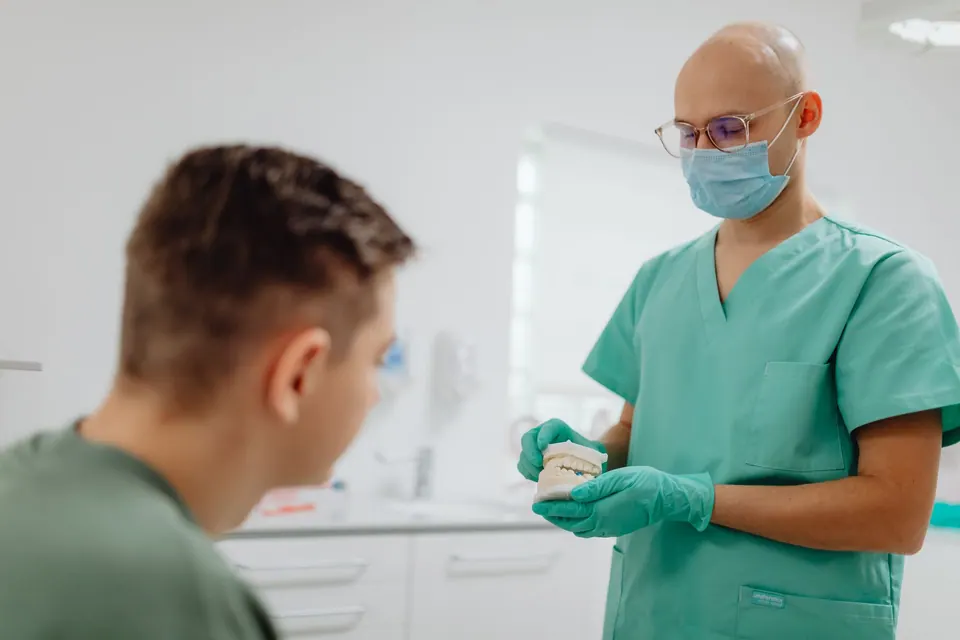
How a dental bridge works
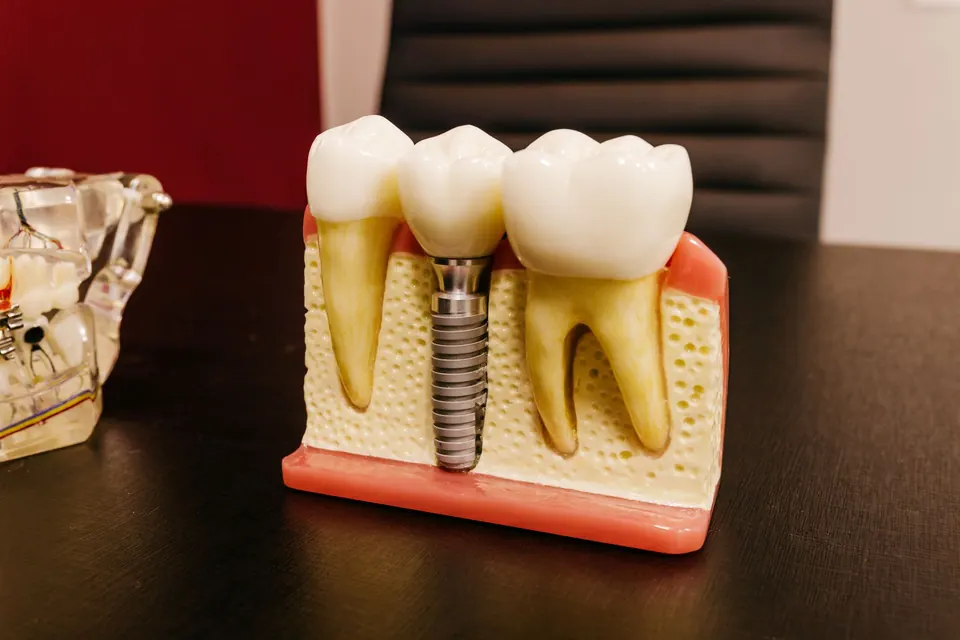
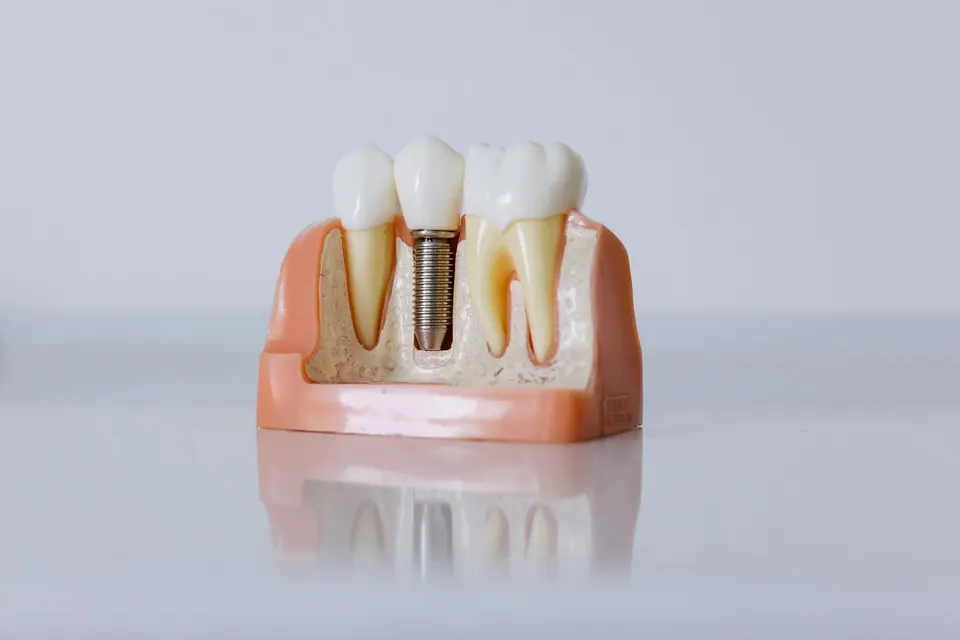
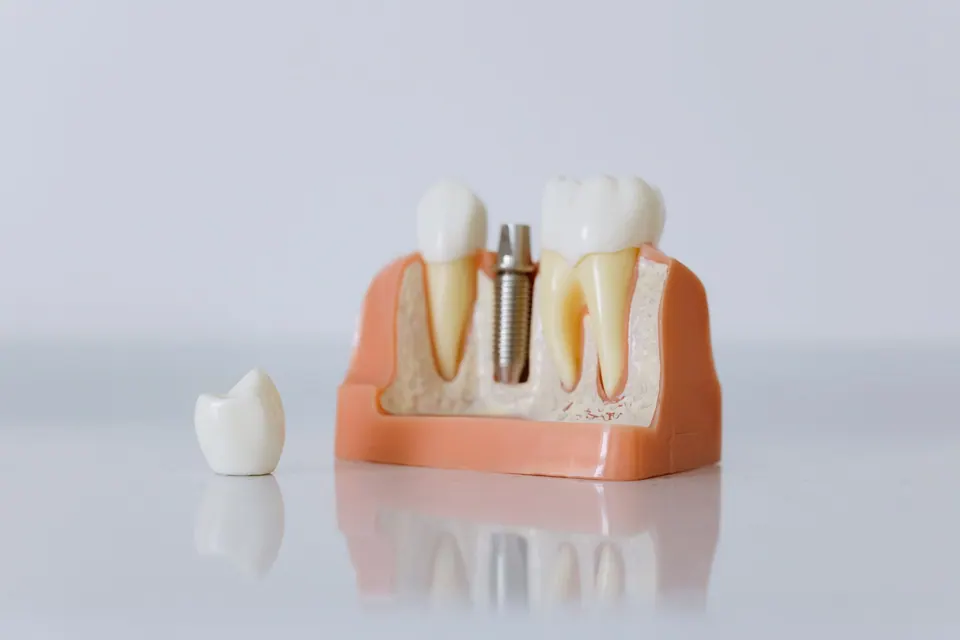
As its name suggests, a bridge spans the gap left by a missing tooth. In its most common form, it consists of three joined units: two crowns fixed on the teeth on either side of the gap, called abutment teeth, and an artificial tooth suspended between them, called a pontic. The whole piece is made in one unit, then cemented or bonded in the mouth. You do not take it out: you brush it and live with it just like your own teeth.
A bridge meets a real need. When a tooth is missing, the neighbouring teeth tend to tilt into the empty space and the opposing tooth may drift down or up. Over time, these movements disturb the bite, create areas that are hard to clean and can weaken the gum. Filling the gap helps preserve the balance of the arch, as well as making your smile look complete again.
The different types of bridge
There is not just one bridge, but several designs suited to different situations:
- The conventional bridge rests on two abutment teeth prepared to receive a dental crown. This is the classic form, strong and well proven.
- The bonded bridge, sometimes called a Maryland or winged bridge, is used mainly for a missing incisor. The artificial tooth is held by thin wings bonded to the back of the neighbouring teeth, which greatly limits their preparation. It suits selected cases with a favourable bite.
- The implant-supported bridge rests not on natural teeth but on implants placed in the bone. It can replace several consecutive teeth without touching healthy teeth.
- The cantilever bridge, supported on one side only, is considered only in specific situations, because it places more stress on the supporting tooth.
The choice depends on the number of teeth to replace, their position, the strength of the neighbouring teeth and the amount of bone available.
Bridge or implant: how to decide?
This is one of the most frequent questions in consultation, and the answer really depends on each mouth. A conventional bridge involves preparing the neighbouring teeth. If those teeth already have large fillings or old crowns, crowning them makes sense: they are protected while the missing tooth is replaced. On the other hand, if they are perfectly healthy, sacrificing enamel to turn them into abutments is a trade-off that needs careful thought.
A dental implant replaces the root of the tooth and leaves the neighbouring teeth intact. In return, it requires a surgical procedure, sufficient bone volume and a healing period. Certain health conditions or habits, such as heavy smoking or poorly controlled diabetes, can also influence the choice.
During the consultation, Dr Fenjero Walid presents the realistic options for your case, with their advantages and limitations, so that you can make an informed decision.
Materials and digital manufacturing
Today's bridges are most often made of zirconia or ceramic, with or without a metal framework. Zirconia is valued for its strength, particularly in the back of the mouth where chewing forces are high. For visible teeth, it can be layered with ceramic to better reproduce the natural nuances of enamel. Porcelain fused to metal remains a sound option, although a dark line may show if the gum recedes.
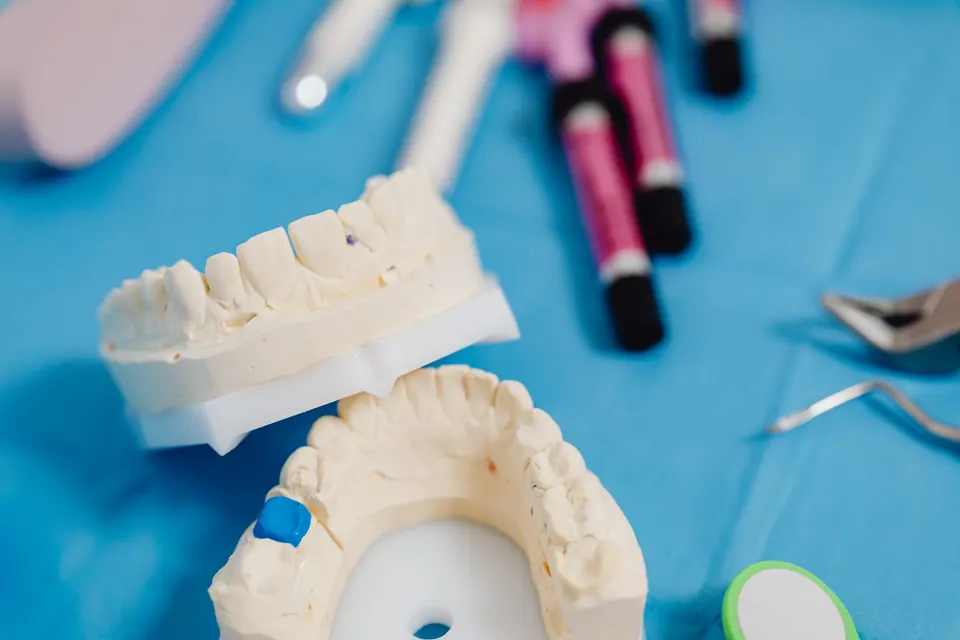
At the clinic, the impression is taken with an intraoral scanner, and the prosthesis can be designed and then milled by CAD/CAM using the milling machine installed on site. Depending on the size and complexity of the bridge, it is made at the practice or in collaboration with a dental laboratory. In every case, a try-in checks the fit, shape and shade before final placement.
Dental bridges in Morocco: an honest word about cost
People often search for the price of a dental bridge in Morocco, and we prefer to answer frankly: no serious fee can be given without an examination. The cost of a bridge varies with the number of units, the material, the type of support (natural teeth or implants) and any treatment the abutment teeth may need, such as a root canal or treating inflamed gums.
After the consultation and X-ray, you receive a written quote detailing each step. If several solutions are possible, they can be priced separately so that you can compare them. This document also lets you check with your health insurer before committing.
Caring for your bridge every day
The area under the pontic is the one that needs the most attention. Food debris and plaque can build up there and, without cleaning, cause gum inflammation or decay on the abutment teeth. A few simple habits are enough to prevent this:
- every day, pass a special floss with a stiff end or an interdental brush under the pontic;
- carefully brush where the crowns meet the gum;
- consider a water flosser as well if your dentist recommends it;
- keep to the recommended check-ups and scaling appointments.
If you notice bleeding, a persistent bad smell or a feeling of looseness, come in without delay. A problem caught early is usually simpler to treat.
Your consultation in Agdal
The first appointment is about understanding your situation: how long the tooth has been missing, what bothers you, and the condition of the neighbouring teeth and gum. An X-ray completes the examination. You leave with a clear explanation of the options and a written quote, with no obligation. To arrange this first visit to the clinic in Agdal, you can book an appointment online or call us.
How it works
- Examination and treatment planAssessment of the abutment teeth, gum and bone, an X-ray, then presentation of the options and the quote.
- Preliminary careIf needed, treatment of decay, inflamed gums or an abutment tooth before the bridge is designed.
- Preparation and digital impressionUnder local anaesthesia, the abutment teeth are prepared, then recorded with the intraoral scanner.
- Temporary bridgeA temporary prosthesis protects the prepared teeth and keeps your smile presentable while the bridge is made.
- Try-in and fittingCheck of fit, shade and bite, then final cementing or bonding.
- Follow-upA check-up to assess the gum and show you how to clean under the bridge.
Before & after
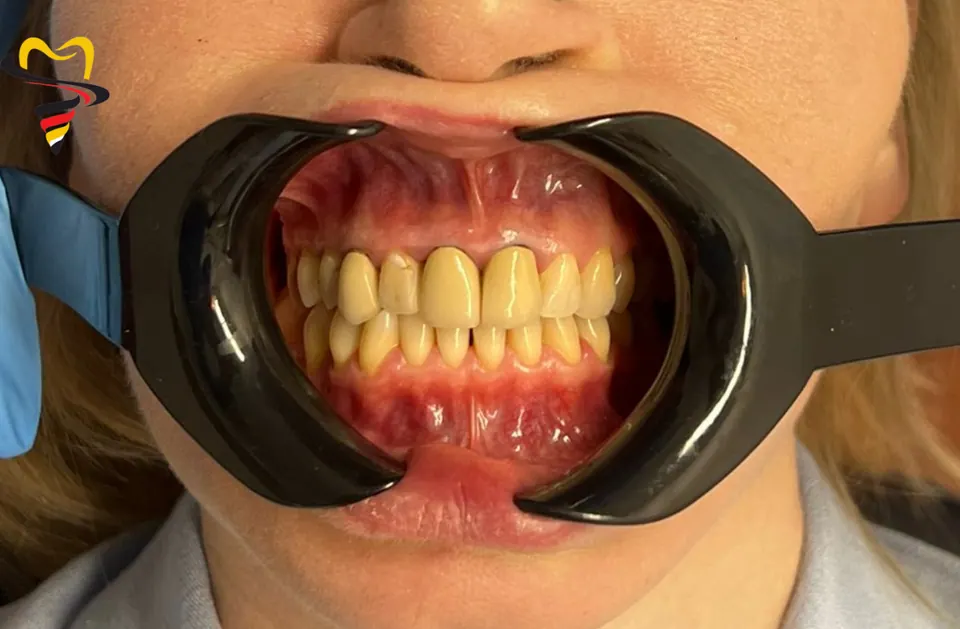
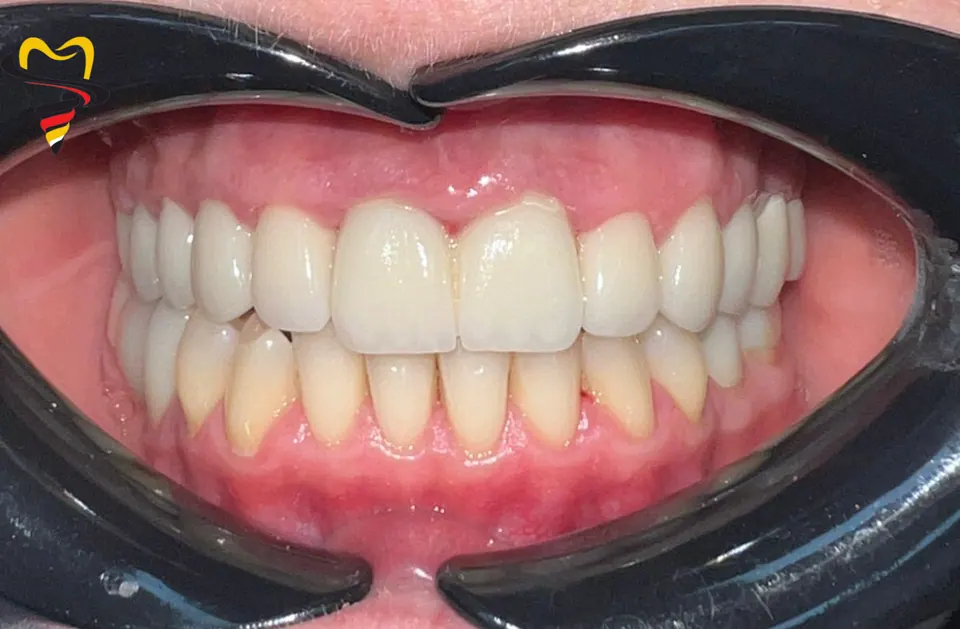 BeforeAfter
Dental bridge
Dental bridgeFrequently asked questions
How much does a dental bridge cost in Rabat?
The price depends on the number of units, the material chosen (zirconia, ceramic, porcelain fused to metal), the type of support and any preliminary treatment. To be honest with you, we do not quote a figure without an examination. After the consultation, you receive a detailed written quote that you can compare and submit to your health insurer.
Do the neighbouring teeth have to be prepared?
For a conventional bridge, yes: the abutment teeth are prepared to receive crowns. A bonded bridge limits this preparation but only suits certain cases, mainly for an incisor. An implant-supported bridge does not touch the neighbouring teeth at all. The dentist will tell you which option is realistic for you.
Will a bridge be noticeable?
Zirconia and ceramic bridges are designed to blend with the shade and shape of your teeth. The colour is chosen with you, and the try-in allows details to be corrected before fitting. The final appearance also depends on the gum around the missing tooth, which is assessed during the examination.
How long does a bridge last?
There is no guaranteed lifespan, because longevity depends on hygiene, gum health, the condition of the abutment teeth and habits such as teeth grinding. A well-maintained bridge that is checked regularly can remain functional for many years. Follow-up visits help spot any weakness early.
Can a bridge replace several missing teeth?
Yes, provided the supports are strong enough to carry the length of the bridge. When several consecutive teeth are missing, an implant-supported bridge or a telescopic prosthesis may be more suitable. Clinical and X-ray examination determines the most reasonable solution for your mouth.
What should I do if my bridge moves or comes loose?
Contact the clinic promptly and avoid chewing on that side. A bridge that comes loose on one side can let bacteria seep under the crown and lead to decay in the abutment tooth. If the bridge has fallen out, keep it clean and bring it to your appointment.
The information on this page is general. Only a consultation allows a diagnosis and a suitable treatment plan. Updated on 14 October 2026.