Gingivitis and periodontitis: two stages of the same disease
Gum disease, known medically as periodontal disease, is caused by bacterial plaque that builds up along the teeth and below the gum line. The body responds to these bacteria with inflammation. Depending on how severe it is and how long it lasts, two stages are distinguished.
Gingivitis affects the gum only. The gum becomes red and swollen and bleeds easily when you brush. At this stage the bone is not affected and the condition is reversible: a professional clean and a suitable home care routine allow the gum to return to a healthy state.
Periodontitis is when the inflammation spreads to the deeper tissues: the ligament that holds the tooth in place and the surrounding bone. Gaps known as periodontal pockets form between the tooth and the gum, and bacteria multiply there out of reach of the toothbrush. Lost bone does not grow back on its own, but well-conducted treatment can usually halt the progression of the disease and help you keep your teeth for longer. This is what people often describe as receding gums or loosening teeth.
Warning signs to look out for
Periodontal disease often progresses without pain, which is why it is frequently discovered late. Some signs, however, are worth having checked:
- gums that bleed when you brush, floss or bite into fruit;
- red, swollen or tender gums;
- persistent bad breath or an unpleasant taste in the mouth;
- receding gums and teeth that look longer;
- sensitivity to cold at the neck of the teeth;
- new gaps between the teeth, or teeth that shift or feel loose;
- pus or an abscess in the gum.
Certain factors increase the risk: smoking, which can mask bleeding while making the disease worse, poorly controlled diabetes, stress, a family history, the hormonal changes of pregnancy and some medicines. If any of these apply to you, regular check-ups matter all the more.
The periodontal assessment: measuring before treating
Treatment always begins with an accurate diagnosis. During the periodontal assessment, the dentist uses a graduated probe to measure the depth of the space between the gum and each tooth, and records bleeding, tooth mobility and any gum recession. These measurements are entered on a periodontal chart, which becomes a baseline for objectively assessing the results later on.
X-rays complete the examination by showing the bone level around the roots; a panoramic X-ray gives an overview, supplemented where needed by targeted images. The dentist also asks about your general health, your habits and any medication you take. At the end of the assessment, the stage of the disease is explained to you and a suitable treatment plan is proposed.
Non-surgical treatment: scaling and root planing
In most cases, treatment starts without surgery. It rests on two complementary pillars: your oral hygiene at home and the deep cleaning carried out at the clinic.
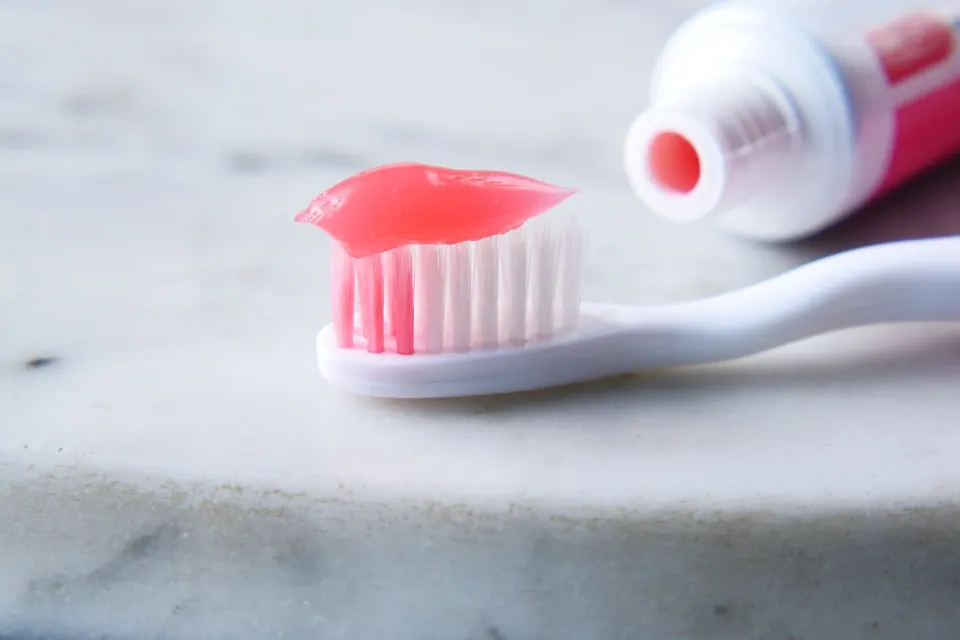
The first step is to show you the techniques that work: how to brush, which toothbrush to choose and how to use interdental brushes sized to the gaps between your teeth. Without this daily plaque control, no professional treatment can hold up over time.
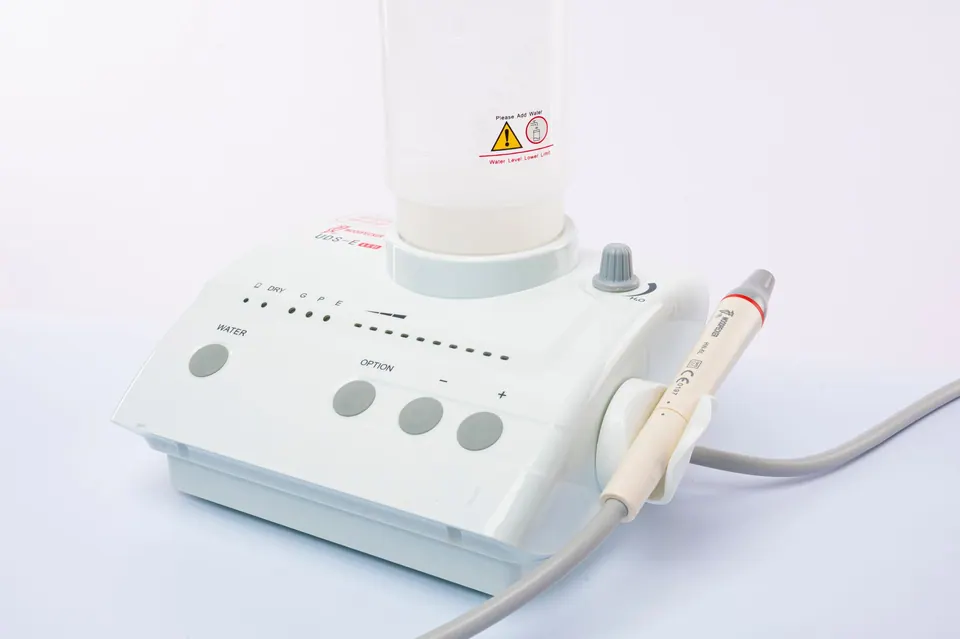
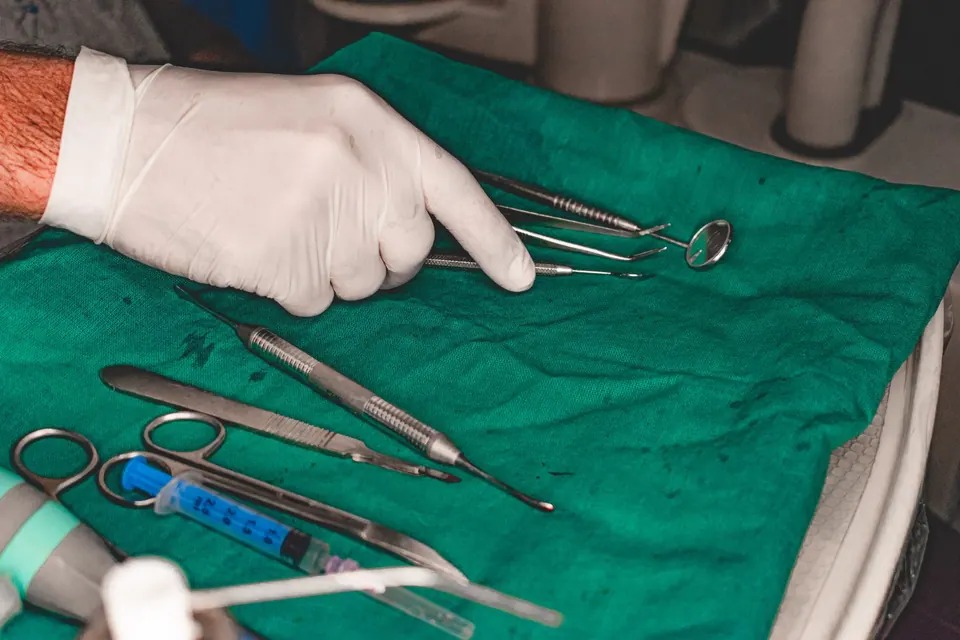
Next comes the professional cleaning. Scaling removes visible tartar, then root planing treats the pockets: under local anaesthetic, the dentist cleans the root surfaces below the gum with ultrasonic and hand instruments to remove the tartar and bacterial biofilm stuck to them. Depending on how widespread the disease is, this is done in one or several sessions. In some situations a local antiseptic or prescribed medication may be added, but it never replaces mechanical cleaning.
After root planing, the gums may feel tender for a few days and recede slightly as the swelling goes down. This is a sign that the inflammation is settling.
Re-evaluation and, if needed, periodontal surgery
A few weeks after root planing, a new assessment is carried out to compare the measurements with the baseline. In many cases the gum is no longer inflamed and the pockets have reduced enough to move straight on to the maintenance phase.
Where deep pockets remain in certain areas, periodontal surgery may be suggested. It gives direct access to the roots so they can be cleaned and, in some favourable bone defects, allows regenerative techniques aimed at rebuilding part of the lost tissue. Gum grafts may also be considered to cover certain areas of recession. These procedures are performed under local anaesthetic and are only proposed after a detailed explanation of their benefits, their limits and what to expect afterwards.
Gums, implants and general health
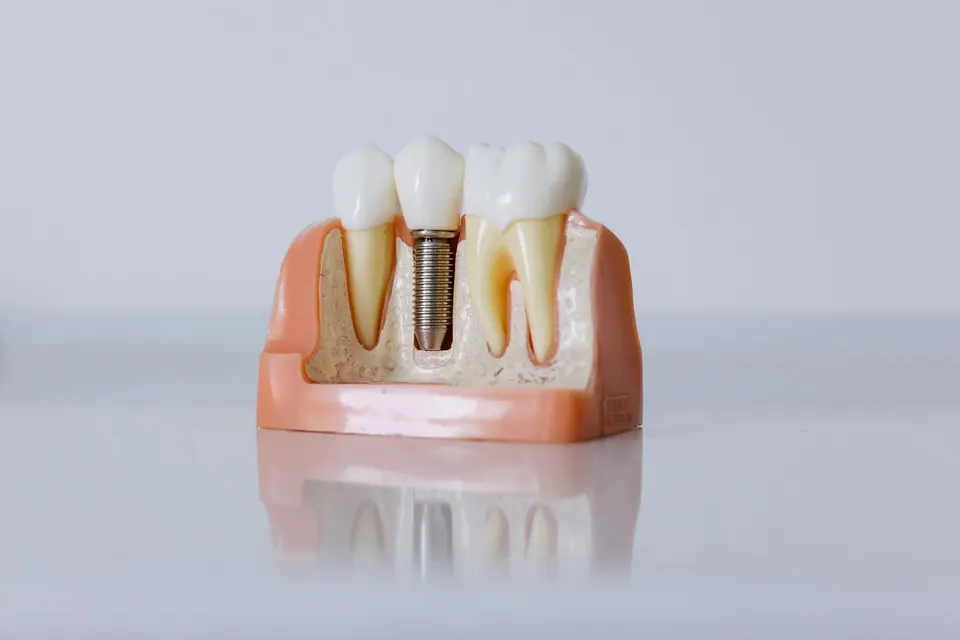
Healthy gums are a prerequisite for many treatments. Before placing a dental implant, a crown or a denture, periodontal disease must be brought under control, otherwise the new restorations would be exposed to the same bacteria. Implants themselves can also be affected by a similar inflammation, called peri-implantitis, which is why follow-up matters.
Research has also shown links between periodontitis and general health, particularly diabetes: gum inflammation can make blood sugar harder to control, and poorly controlled diabetes encourages periodontitis. If you are diabetic or pregnant, let the dentist know so that the timing of your treatment can be adapted.
Maintenance: the key to lasting results
Periodontitis is a chronic disease: once stabilised, it can flare up again if plaque is no longer kept under control. Periodontal maintenance appointments are therefore scheduled at regular intervals suited to your level of risk, to measure the gums, clean hard-to-reach areas and fine-tune your home care. To have your gums checked at the clinic in Agdal, Rabat, you can book an appointment.
How it works
- Periodontal assessmentMeasurement of pockets, bleeding and tooth mobility, with X-rays and a health questionnaire.
- Oral hygiene coachingA demonstration of brushing technique and help choosing interdental brushes that suit your mouth.
- Scaling and root planingCleaning of the teeth and then the roots below the gum, under local anaesthetic, in one or several sessions.
- Re-evaluationA few weeks later, new measurements to assess how the gums have responded to treatment.
- Additional treatment if neededTargeted periodontal surgery or a gum graft when certain areas have not responded well enough.
- Regular maintenanceCheck-ups and cleans scheduled according to your level of risk, to keep the stability achieved.
Frequently asked questions
My gums bleed when I brush my teeth. Is it serious?
Bleeding when you brush is not normal: it usually points to gum inflammation caused by plaque. You should not stop brushing the area, quite the opposite, but you should have it examined. Caught at the gingivitis stage, the inflammation is reversible with a professional clean and a suitable home care routine.
Can periodontitis be cured?
Periodontitis can be stabilised: treatment aims to clear the infection, reduce the pockets and stop further bone loss. Bone that has already been lost does not grow back on its own, although regenerative techniques may be considered in specific cases. Regular follow-up remains essential to prevent relapse.
Is root planing painful?
Root planing is carried out under local anaesthetic, so it is comfortable during the session. Afterwards, the gums may be tender and the teeth sensitive to cold for a few days. A simple painkiller, if the dentist agrees, and gentle brushing are usually enough to get through this period.
My teeth are loose. Can they still be saved?
Tooth mobility indicates a loss of support, but it does not necessarily mean the tooth is lost. Once the inflammation has been treated, some teeth become firmer again. The periodontal assessment and X-rays make it possible to evaluate each tooth and distinguish those that can be kept from those with a poor outlook.
Can gums be treated during pregnancy?
Yes. The hormonal changes of pregnancy often make the gums more sensitive and more prone to bleeding. Cleaning and periodontal care can be carried out, generally preferably in the second trimester. Let the dentist know you are pregnant so that anaesthesia, X-rays and the treatment schedule can be adapted.
Does smoking affect the gums?
Yes, smoking is a major risk factor for periodontitis. It reduces blood flow in the gums, which masks bleeding and delays diagnosis, and it weakens the response to treatment. Cutting down or stopping smoking improves the chances of stabilising the disease. Feel free to raise it during your consultation.
The information on this page is general. Only a consultation allows a diagnosis and a suitable treatment plan. Updated on 14 October 2026.