What is tartar?
Every day, a bacterial film called dental plaque builds up on the teeth. It is soft and can be removed by careful brushing. But when plaque is not fully removed, particularly in hard-to-reach areas, it gradually absorbs minerals from saliva and hardens: it becomes tartar (also called calculus).
Tartar forms a rough, yellowish to brownish deposit that builds up mainly on the inner surface of the lower front teeth and the outer surface of the upper molars, where the salivary glands open. Once it has formed, it sticks firmly to the enamel and no longer comes off with brushing, whatever toothpaste you use. Its rough surface in turn traps new bacteria, creating a vicious circle. Some people form more of it than others, depending on the composition of their saliva, their diet and their oral hygiene.
Why is regular scaling important?
Tartar is not just a cosmetic issue. The bacteria it harbours irritate the gum, which becomes red, swollen and bleeds when brushing: this is gingivitis. If nothing is done, the inflammation can spread to the deeper tissues and the bone that supports the teeth, leading to periodontitis. Scaling interrupts this process at a stage where it is still easy to control.
The treatment has other practical benefits:
- fresher breath, as tartar and plaque are a common source of bad odour;
- cleaner-looking teeth, free of deposits and of some of the staining caused by coffee, tea or tobacco;
- a check of your mouth, as the appointment is an opportunity to spot early decay, a crack or a receding gum;
- longer-lasting existing work, such as crowns, bridges or implants, whose edges stay clean.
That is why scaling is part of the recommended routine care for all adults, even when nothing is bothering you.
What happens during a scaling appointment?
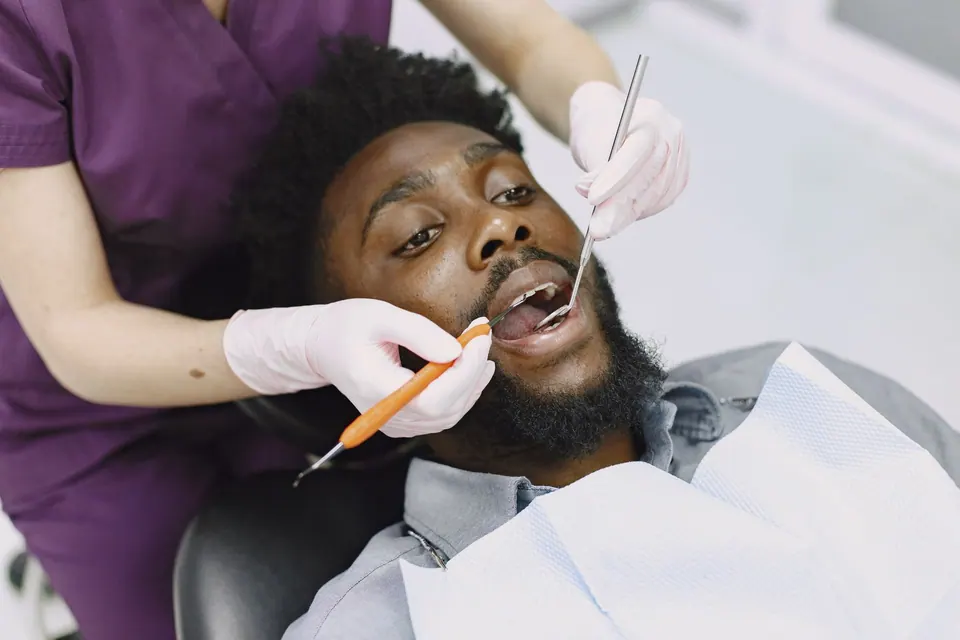
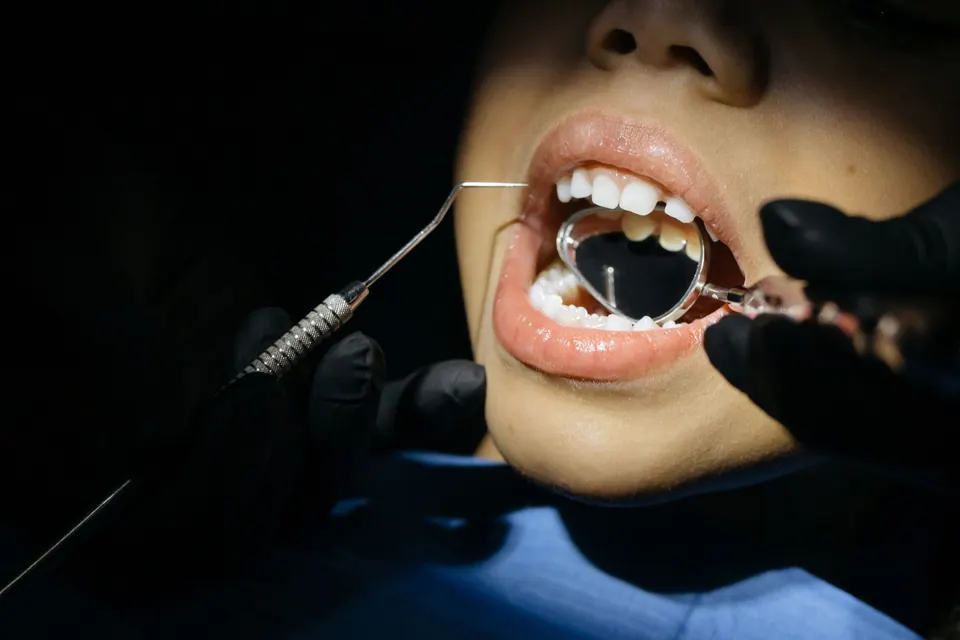
The appointment begins with an examination of your mouth: the condition of the gums, the presence of tartar, bleeding and any decay. If needed, an X-ray completes the assessment.
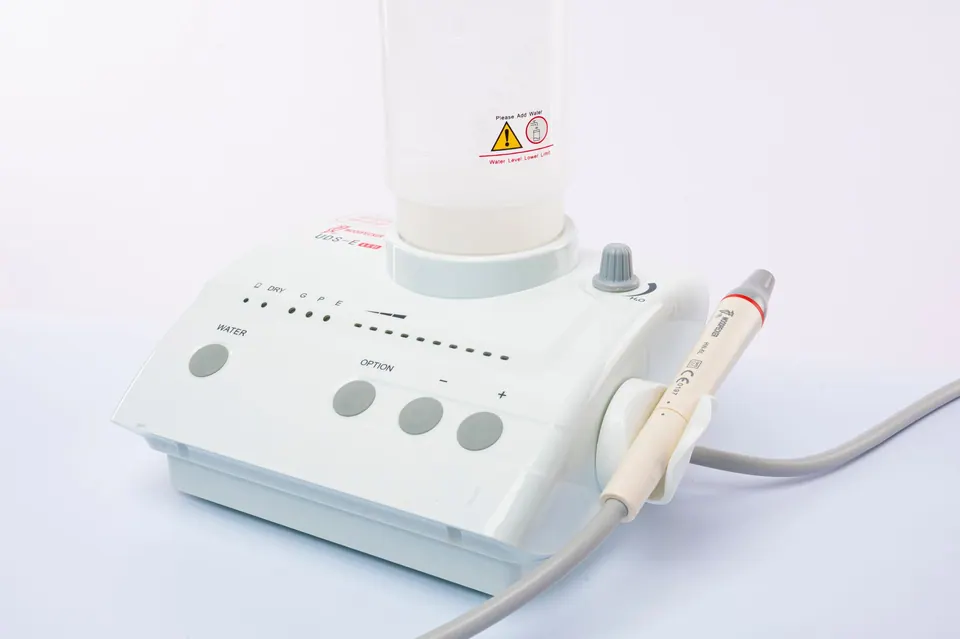
The dentist then uses an ultrasonic instrument. Its tip vibrates at high frequency and breaks up the tartar, while a jet of water cools the tooth and washes away the debris. More delicate areas are finished with fine hand instruments. You may feel vibrations, slight tingling or sensitivity to cold water, especially if the necks of the teeth are exposed; just say so and the dentist will adjust the power or take breaks.
Scaling ends with polishing. A paste and a rubber cup smooth the surface of the teeth, removing the last stains and making it harder for plaque to stick again. Finally, the dentist gives you targeted advice on the areas where tartar builds up fastest in your case.
Common misconceptions about scaling
Several beliefs still put some patients off this treatment. Here are the facts:
- "Scaling damages the enamel." Done correctly, it removes tartar without wearing the enamel. The instruments are designed to dislodge deposits, not to attack the tooth.
- "After scaling, my teeth feel loose." Scaling does not weaken the teeth. When tartar is very heavy, it can hide a loss of support that was already there; once it is removed, this situation simply becomes visible and needs to be treated.
- "My teeth are more sensitive, so the treatment was bad." Temporary sensitivity is common when the necks of the teeth were covered in tartar. It usually eases within a few days, helped by a toothpaste for sensitive teeth.
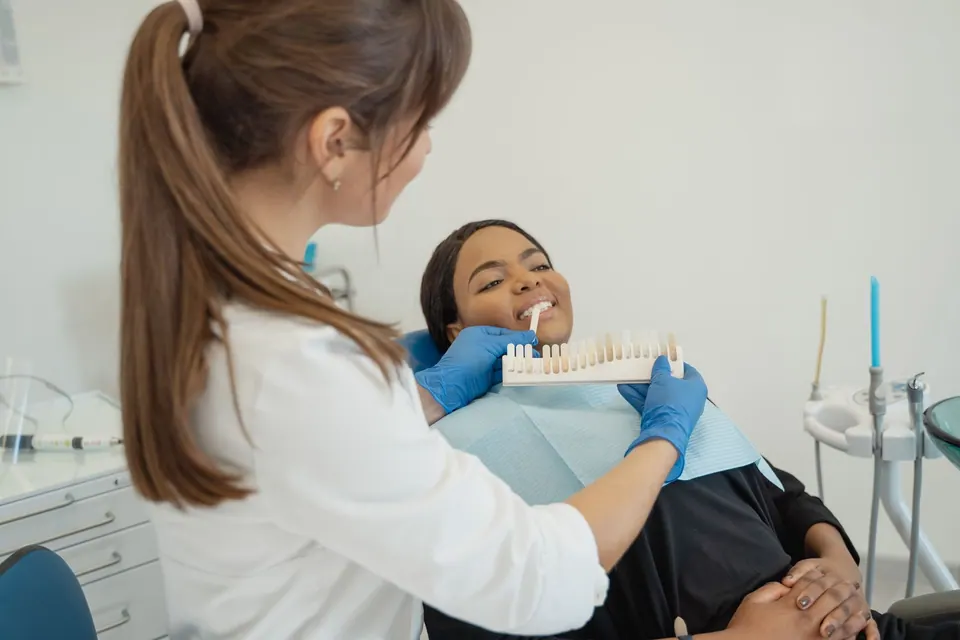
- "Scaling whitens the teeth." It restores the natural shade of your teeth by removing deposits, but it does not change their underlying colour. To lighten the shade, you would need to consider teeth whitening, which in any case is done on teeth that have been scaled first.
How often should you have your teeth scaled?
For most adults, scaling once or twice a year is a sensible baseline. This frequency is, however, adjusted for each person. It may be more frequent if you form a lot of tartar, if you smoke, if you have diabetes, if you wear an orthodontic appliance or have implants, or if you have already been treated for gum disease.
In that last case, simple scaling is not always enough: when tartar has lodged deep under the gum and pockets have formed, gum treatment with root planing is needed. The examination at the start of each appointment makes it possible to tell the difference.
Scaling for children, pregnant women and older people
Children can form tartar too, though less often than adults. Cleaning is then included in their children's dentistry check-ups, with explanations suited to their age.
During pregnancy, the gums react more strongly to plaque and bleed more easily. Scaling is not only possible but often recommended; the second trimester is usually the most comfortable period. For older people, or if you take blood thinners, have diabetes or a heart condition, tell us about your medication and medical history so the dentist can adapt the appointment.
Scaling in Rabat: what budget to plan for?
Scaling is one of the most affordable treatments, but its length and content vary with the amount of tartar, the condition of the gums and whether more thorough polishing is needed. The fee is given to you before the treatment, after the examination, and you can check with your health insurer whether it is covered. To plan your clean at the clinic in Agdal, simply book an appointment.
How it works
- Examination of the mouthCheck of the gums, teeth and amount of tartar, with an X-ray if needed.
- Ultrasonic scalingTartar is broken up by a vibrating tip and rinsed away with a jet of water.
- Hand finishingDelicate areas, between the teeth and along the gum line, are cleaned with fine instruments.
- PolishingA polishing paste smooths the tooth surface and removes the last stains.
- Personal adviceThe dentist shows you the areas to watch and recommends a suitable check-up interval.
Frequently asked questions
Does scaling hurt?
For most patients, scaling is only mildly unpleasant: you mainly feel vibrations and the coolness of the water. Sensitivity can occur if the gums are inflamed or the necks of the teeth are exposed. The dentist can then reduce the power, take breaks or, if needed, offer local anaesthesia.
How much does scaling cost in Rabat?
The fee depends on the amount of tartar, the condition of the gums and any associated care, such as more thorough polishing. It is given to you at the clinic before the treatment, after the examination. If the examination reveals gum disease requiring root planing, you will receive a separate quotation.
My gums bleed after scaling: is that normal?
Slight bleeding on the day of treatment is common, especially if the gums were inflamed. It usually eases within one to three days as the inflammation settles. Keep brushing gently. If the bleeding is heavy or lasts more than a few days, contact the clinic.
Can I eat and drink straight afterwards?
Yes, you can eat normally after scaling. If your teeth are sensitive, choose lukewarm food and drinks for a day or two. Also avoid strongly staining foods and drinks, such as coffee or strong tea, in the hours after polishing so your teeth stay clean-looking for longer.
Does scaling replace brushing?
No. Scaling removes what the brush can no longer remove, but plaque starts to form again within hours. Brushing twice a day and cleaning between the teeth remain essential. They are what slow down the formation of new tartar between appointments.
Is scaling enough if my gums are receding?
Not always. When the gum has come away from the tooth and pockets have formed, tartar sits deep down on the roots. Periodontal treatment with root planing is then needed. The dentist assesses the situation during the examination and explains the appropriate approach.
The information on this page is general. Only a consultation allows a diagnosis and a suitable treatment plan. Updated on 14 October 2026.